Cambridge (USA), United States
Datos rápidos
- País
- United States
- Habitantes
- 122.588
- Idiomas
- English
- Moneda
- USD
- Zona horaria
- EST (UTC-5)
- Nota media de la guía
- 7,4/10
- Seguridad
- 7/10
Resumen
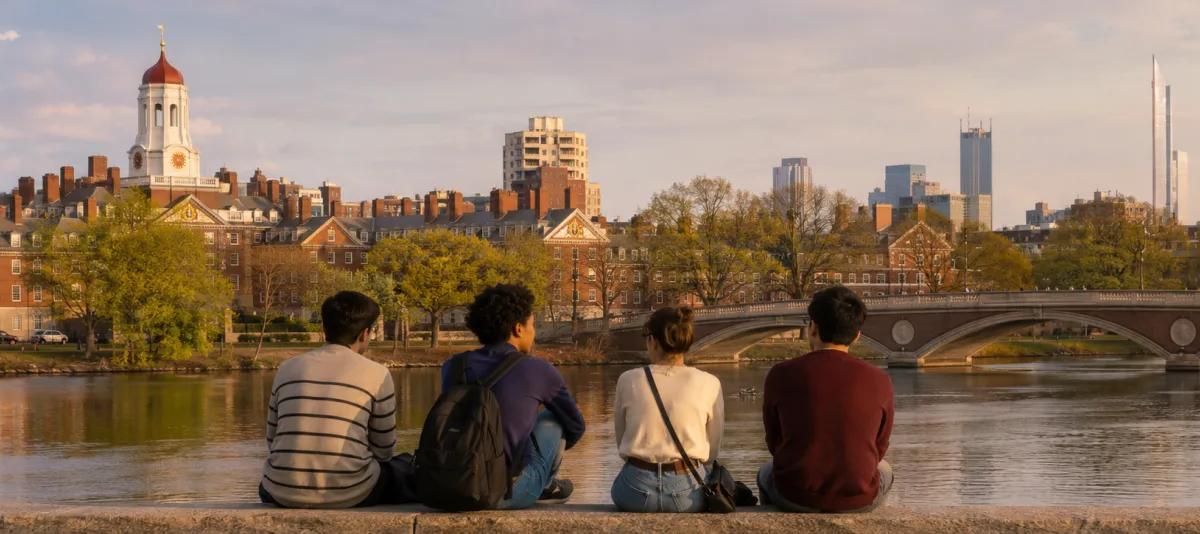
Cambridge, Massachusetts sits just across the Charles River from Boston and is one of the greatest concentrations of academic talent on Earth — home to both Harvard University and the Massachusetts Institute of Technology (MIT). With about 122,000 residents (2025 Census Bureau estimate), it's a dense, walkable, intellectually charged city where universities, biotech companies, and startups define the landscape.
For international students, Cambridge offers unparalleled academic prestige and career opportunities, especially in tech, science, and business, all within the vibrant Greater Boston area. The neighbourhoods around Harvard Square and Kendall Square (MIT) buzz with bookstores, labs, cafés, and innovation. The trade-off is cost — Cambridge and Boston form one of the most expensive housing markets in the US — and harsh New England winters.
Vida estudiantil
Student life is intense and world-class, shaped by MIT's problem-set-driven engineering culture and Harvard's broad academic and social scene. Campuses are residential and lively, with dorms, dining halls, and countless clubs, hackathons, and research opportunities. The two universities anchor a huge student population across Greater Boston, which includes dozens of other colleges (BU, Northeastern, Tufts, and more).
Harvard Square is the social heart around Harvard, full of bookshops, cafés, and street performers, while Kendall Square is MIT's tech-startup hub. Students take advantage of Boston's museums, sports (the Red Sox, Celtics, Bruins), and the Charles River for running, sailing, and picnics. Academic pressure is high, but so is the density of brilliant, ambitious peers from around the world. Boston is a quintessential "college town" writ large.
Barrios
On-campus housing (Harvard/MIT) (roughly $1,500–$2,000/mo, often subsidized): The most convenient and often best-value option; MIT and Harvard both offer graduate and undergraduate housing, and undergraduates at both are guaranteed housing.
Central Square ($1,200–$2,000/mo per room): Between Harvard and MIT, lively, diverse, and relatively (by local standards) affordable — popular with students.
Somerville / Davis Square ($1,000–$1,800/mo): Just north, hip and student-heavy, well-connected by the Red Line, better value than Cambridge proper.
Allston / Brighton ($1,000–$1,700/mo): Across the river, packed with students, cheaper, and lively.
Kendall Square / East Cambridge ($1,500–$2,500/mo): MIT's tech hub, modern and expensive, close to labs and startups.
Comida y restaurantes
Cambridge has an excellent, diverse food scene. University dining plans and campus cafés are the everyday staple for many students. Around Harvard and Central Squares you'll find everything from cheap pizza and burrito joints to acclaimed restaurants — plus student favourites like Mr. Bartley's burgers and Flour Bakery. Somerville and Allston add more affordable, international options.
Groceries at Star Market, Trader Joe's, and the H-Mart (Korean) run $350–$600/month. A casual meal is $15–25, a sit-down dinner for two around $100, and remember to add ~7% meals tax and 15–20% tip. There's a strong coffee culture (local roasters plus Dunkin' on every corner, with a cappuccino around $5) and a thriving craft-beer scene. Food trucks around the campuses offer cheap, quick lunches.
Vida nocturna y ocio
Nightlife in Cambridge is more bar- and pub-focused than club-heavy — think historic pubs, craft-beer bars, and live-music venues rather than big clubs. The legal drinking age is 21 and strictly enforced (carry ID). For bigger nights out, students head across the river into Boston. Central Square has a good live-music scene (The Middle East is legendary).
Entertainment leans cultural and intellectual: world-class museums (Harvard Art Museums, the MIT Museum, and Boston's MFA and Isabella Stewart Gardner Museum), countless free public lectures and talks, theatre (the American Repertory Theater), and the Charles River Esplanade for outdoor events. Boston's sports culture is huge. The T (subway) makes exploring Boston easy, though it stops running around 12:30am.
Transporte
Cambridge is walkable and bike-friendly, and most students get around on foot, by bike, or on the MBTA "T" subway. The Red Line runs through Cambridge (Harvard, Central, Kendall stations) directly into Boston. A Monthly LinkPass costs $90, and most local universities offer Semester Passes discounted by at least 11%. The bus network fills in the gaps.
The city is compact enough that you rarely need a car, and parking is scarce and expensive. For trips further afield, Boston's Logan Airport is about 20–30 minutes away, and Amtrak connects to New York (about 4 hours). BlueBikes bike-share and ride-hailing (Uber/Lyft) cover late-night gaps when the T is closed. Winter cycling is tough, so many students rely on the T from December to March.
Coste de vida
Monthly budget for a student in Cambridge, MA:
- Rent (room off-campus or on-campus housing): $1,200–$2,200
- Groceries: $350–$600
- Transport (MBTA pass): $80–$90
- Health insurance: ~$400 (usually billed annually — Harvard's student plan is $4,954 for 2026–27)
- Phone & internet: $60–$130
- Leisure & going out: $200–$400
- Total: $2,300–$3,800+/month
Cambridge/Boston is one of the priciest US markets: a one-bedroom apartment in central Cambridge averages around $3,400/month. Budget for move-in costs — typically first and last month's rent plus a security deposit, often $3,000–$7,000 upfront. Since August 2025, Massachusetts law says only the party who hired a broker pays the broker's fee, so you should not be charged a fee for a broker working for the landlord. On-campus housing avoids these costs and is often the best deal.
Seguridad
Cambridge is a relatively safe city, especially the university areas, which are well-lit and patrolled by both city and campus police. Violent crime is uncommon in student neighbourhoods, though petty theft (especially of unattended laptops and bikes) does happen, so stay alert on campus and lock up valuables.
As in any US city, awareness is important at night and in less busy areas. University campus security offers escort services and emergency phones. The emergency number is 911. Overall, students find Cambridge and the immediate campus areas safe, with the usual big-city precautions applying more to parts of greater Boston.
Clima
Cambridge has a cold, humid continental climate with four sharply defined seasons and, notably, long, harsh winters. Winter (Dec–Mar) is cold and snowy, often -5 to 3°C with major snowstorms ("nor'easters") and biting wind — a serious winter coat, boots, and layers are essential. Spring (Apr–May) is slow to arrive but pleasant at 8–18°C.
Summer (Jun–Aug) is warm and humid at 25–32°C, and autumn (Sep–Nov) is the highlight — crisp, sunny, and famous for spectacular New England fall foliage at 8–18°C. Be prepared for real winter if you're coming from a warm climate; it defines several months of the year here. Autumn and late spring are the most comfortable seasons.
Universidades en Cambridge (USA)
Otras ciudades de United States
Siguientes pasos
Fuentes
- census.gov/quickfacts/cambridgecitymassachusetts
- numbeo.com/cost-of-living/in/Cambridge-MA
- mbta.com/guides/student-guide
- mass.gov/info-details/frequently-asked-questions-about-residential-rental-broker
- oge.mit.edu/graduate-admissions/costs-funding/estimated-living-expenses-for-12-m
- college.harvard.edu/financial-aid/how-aid-works
- harvardsquare.com/places/mr-bartleys-burger-cottage/