Ibagué, Colombia
Datos rápidos
- País
- Colombia
- Habitantes
- 557.000
- Idiomas
- Spanish
- Moneda
- COP
- Zona horaria
- COT (UTC-5)
- Nota media de la guía
- 6,1/10
- Seguridad
- 6/10
Resumen
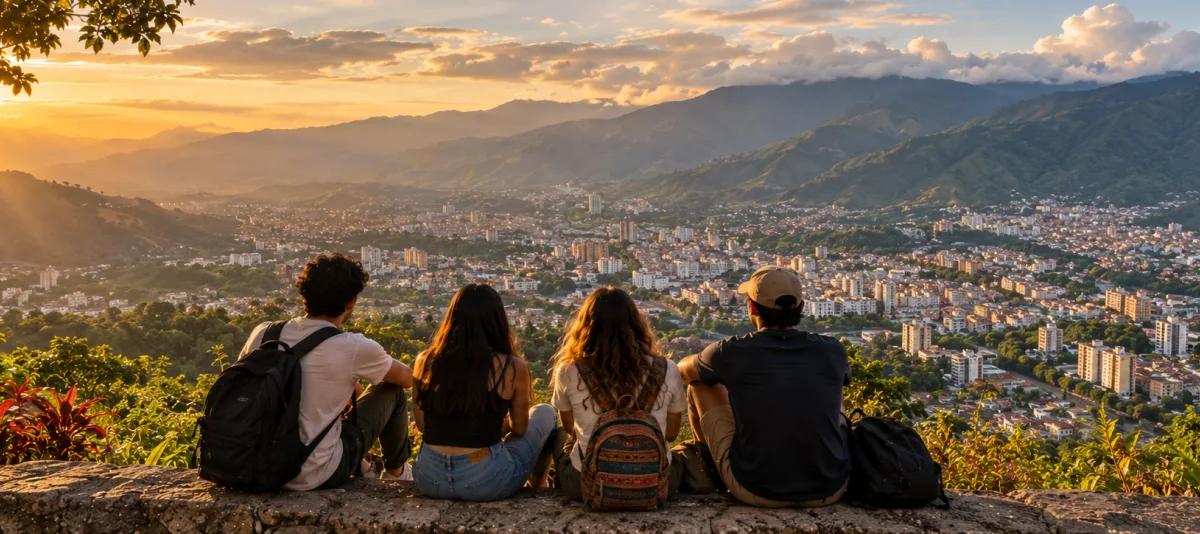
Ibagué is the capital of Tolima and Colombia's "Musical Capital," a mid-sized Andean city of about 557,000 people (DANE 2026 projection) on the eastern slope of the Cordillera Central. At roughly 1,285 m above sea level it sits between the Combeima canyon and the Magdalena valley, with the Nevado del Tolima and Los Nevados National Park within reach. Founded in 1550, it is a commercial and administrative hub for the department rather than a tourist resort — affordable, Spanish-speaking, and culturally rooted in music and folklore.
For students, the main public university is the Universidad del Tolima (UT), whose central campus is in Barrio Santa Helena Parte Alta (Calle 42 No. 1-02). Life here is quieter and cheaper than Bogotá or Medellín, with weekend access to mountains, hot springs, and coffee-country routes toward Armenia and Pereira.
Vida estudiantil
Student life centres on the Universidad del Tolima and nearby private colleges. The UT community is local and Spanish-first; expect few English-language services and a strong regional identity. Campus activities, music festivals, and department events shape the social calendar more than a large international scene.
Weekends often mean the Cañón del Combeima, day trips toward the Nevados foothills, or buses to Bogotá (about three hours by road). Living costs stay manageable, so students can eat out, join sports clubs, and travel regionally without the budget pressure of the big coastal or capital cities.
Barrios
Santa Helena / near UT (COP 400,000–650,000 for a room): Closest to the Universidad del Tolima main campus; the usual student choice for short commutes. Full studios and small apartments nearby often run COP 700,000–1,200,000.
Ambalá (COP 450,000–550,000 for a furnished room in recent listings): Residential sector with shared flats and closed complexes; convenient services and mid-range rents.
Centro (COP 350,000–500,000 for a room): Cheaper and busier, with markets and government offices. Practical for daytime life; use normal caution at night.
Las Delicias / Interlaken / Picaleña (city-wide room range COP 350,000–600,000): More residential options at lower prices farther from campus; longer bus rides but good value for students who cook at home.
City-wide, shared rooms for students typically fall around COP 350,000–650,000 (€80–150); one-bedroom apartments often COP 700,000–1,500,000 (€160–340).
Comida y restaurantes
Tolima cuisine is hearty and regional: lechona, tamal tolimense, sancocho, and viudo de pescado are staples. Almuerzo corriente lunches are widely available at student-friendly prices (often around COP 10,000–15,000 / €2.30–3.40). Markets and chains such as Éxito, D1, and Ara keep grocery bills low.
Street snacks (empanadas, arepas, fruit juices) are cheap. A casual restaurant dinner usually costs COP 20,000–40,000 (€4.50–9). Cooking at home stretches a monthly food budget of roughly COP 400,000–600,000 (€90–135).
Vida nocturna y ocio
Ibagué's nightlife is modest compared with Bogotá or Medellín — bars and small venues in central and commercial zones, plus university parties and music events. The city's identity is cultural more than club-driven: concert seasons, folklore festivals, and open-air gatherings matter as much as late nights out.
Outdoor recreation fills the gap: hiking toward the Combeima, visiting thermal baths in the department, and road trips into the coffee axis. For a louder weekend, Bogotá is close enough for an overnight bus or short flight from Perales Airport.
Transporte
Urban travel relies on conventional busetas under the city's strategic public-transport framework (SETP / Transmusical branding). In 2026 the published urban buseta fare is COP 3,300 Monday–Saturday and COP 3,400 on Sundays and holidays. The centre is walkable; many students also use mototaxis, taxis, or ride-hailing apps for night trips.
Ibagué sits on national routes toward Bogotá, Armenia, and the Magdalena valley. The Terminal de Transporte and Perales Airport (IBE) connect the city to the rest of Colombia. A realistic student transport budget is about COP 100,000–160,000/month (€23–36) if you ride buses daily.
Coste de vida
Monthly budget for a student in Ibagué (about 4,400 COP per euro):
- Room in a shared flat: COP 350,000–650,000 (€80–150)
- Food & groceries: COP 400,000–600,000 (€90–135)
- Transport (busetas): COP 100,000–160,000 (€23–36)
- Phone & internet: COP 50,000–100,000 (€11–23)
- Leisure & personal: COP 100,000–200,000 (€23–45)
- Total: roughly COP 1,000,000–1,700,000/month (€230–390)
Ibagué is clearly cheaper than Bogotá or Medellín and competitive with other mid-sized Andean capitals. Public-university tuition and living costs together make it one of Colombia's more affordable study bases.
Seguridad
Ibagué is a typical mid-sized Colombian capital: manageable with common-sense habits, not a high-tourist risk bubble. Petty theft (phones, bags) is the main everyday concern in busy central streets and on buses. Stick to well-lit areas at night, prefer ride-hailing after dark, and avoid displaying valuables.
Neighborhoods near campus and established residential sectors generally feel calmer than the immediate bus-terminal surroundings. Emergency number nationwide: 123.
Clima
At about 1,285 m, Ibagué has a warm tropical highland climate — milder than the Caribbean coast or the Llanos, hotter than Bogotá. Average temperatures sit near 21–24°C; daytime highs often climb into the upper 20s or low 30s°C, with cooler nights.
Rainfall is significant across the year (on the order of ~2,000 mm annually in regional summaries), with wetter stretches typical of Andean Colombia rather than a single dry desert season. Pack light layers, rain protection, and sunscreen. The elevation keeps extremes less oppressive than lowland heat, which is a real comfort advantage for daily study.
Universidades en Ibagué
Otras ciudades de Colombia
Siguientes pasos
Fuentes
- telencuestas.com/censos-de-poblacion/colombia/2026/tolima/ibague
- ut.edu.co/
- caracol.com.co/2025/12/30/aumento-a-3300-el-pasaje-de-buseta-en-ibague-para-el-a
- ibague.gov.co/portal/seccion/noticias/index.php?idnt=18847
- cuartofacil.com/buscar/ibague
- tolima.gov.co/tolima/informacion-general/turismo/1888-municipio-de-ibague