Santa Marta, Colombia
Quick facts
- Country
- Colombia
- Population
- 589,000
- Languages
- Spanish
- Currency
- COP
- Time zone
- COT (UTC-5)
- Guide score
- 6.1/10
- Safety
- 5/10
Overview
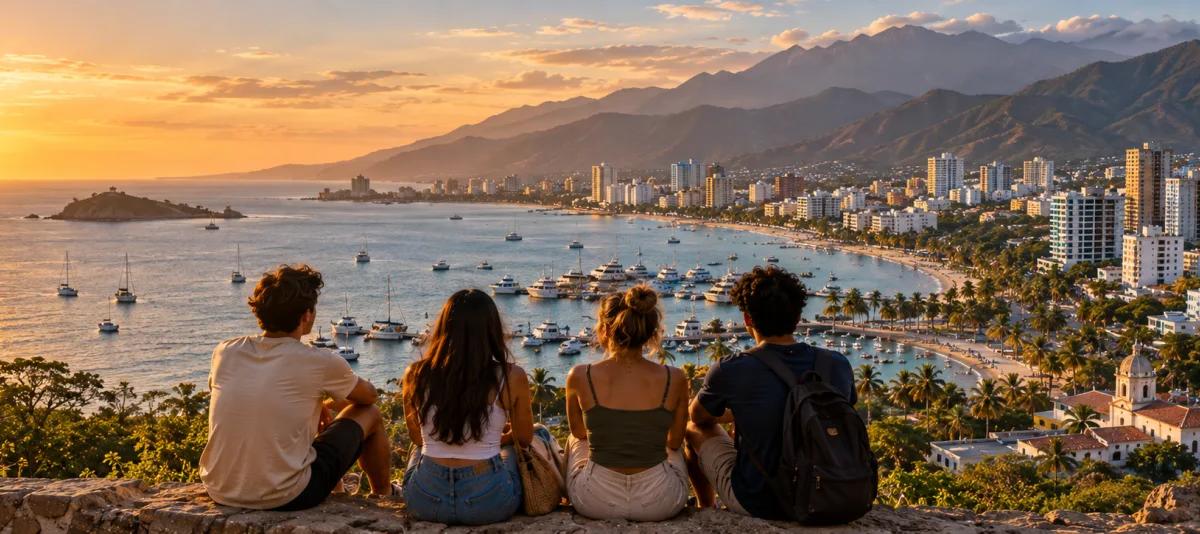
Santa Marta is Colombia's oldest surviving city and the capital of Magdalena, a Caribbean coastal district of about 589,000 people (DANE 2026 projection). It sits almost at sea level on a wide bay, with the Sierra Nevada de Santa Marta rising immediately behind it — beaches, dry coastal scrub, and snow-capped peaks within the same municipal territory. Tourism, ports, and services drive the economy; Spanish is dominant, though tourist zones see more English than inland capitals.
For students, the main public university is the Universidad del Magdalena (Unimagdalena). The principal campus is in the San Pedro Alejandrino sector (Calle 29H3 No. 22-01 / Carrera 32 area), one of the larger university campuses on the Caribbean coast. The combination of beach life, Tayrona National Park, and a solid public university makes Santa Marta distinctive among Colombian study cities — hotter, more touristy, and more expensive in beach districts than Andean mid-size towns.
Student life
Student life mixes Unimagdalena campus routines with beach and mountain weekends. The university has a large local enrolment and a growing regional profile; social life is Spanish-first, with some tourist and backpacker overlap in El Rodadero, Taganga, and the historic centre.
Typical weekends: Playa Blanca or El Rodadero swims, trips into Tayrona (park fees and logistics apply), or cooler escapes to Minca in the Sierra foothills. Expect heat, humidity near the bay, and a more outdoor lifestyle than in highland cities. International-student infrastructure exists mainly through tourism services, not a large Erasmus-style bubble.
Neighborhoods
San Pedro Alejandrino / near Unimagdalena (apartments often COP 1,100,000–1,800,000; rooms typically cheaper in shared houses): Best for campus proximity. Listings near the university show remodelled two-bedroom flats around COP 1,200,000.
El Rodadero / Gaira (tourist-oriented; studios from about COP 900,000–1,800,000): Beach access and nightlife, but higher rents and seasonal noise. Better for students who prioritise the sea over a short campus commute.
Centro Histórico / Bastidas (mixed; rooms and small flats often below Rodadero prices): Walkable heritage core with markets and services; lively by day, use caution at night.
El Trébol and inland residential sectors (generally cheaper than beachfront): More local housing stock for students on a tighter budget, farther from the bay.
Verified monthly room figures vary; city-wide student rooms commonly fall around COP 400,000–800,000 (€90–180), while beach-area studios skew higher. Prefer neighbourhoods near campus if you attend Unimagdalena daily.
Food & restaurants
Caribbean flavours dominate: fried fish, coconut rice, patacones, sancocho de guandú, and fresh fruit juices. Seafood is excellent near the bay; inland markets are cheaper for staples. Almuerzo corriente remains the student staple at roughly COP 12,000–18,000 (€2.70–4.10).
Groceries at Ara, D1, Éxito, and local plazas keep cooking costs reasonable despite tourist restaurant markups in Rodadero. A careful grocery budget is about COP 450,000–700,000 (€100–160). Avoid living only on tourist-strip menus — that is where Santa Marta stops being affordable.
Nightlife & entertainment
Nightlife is stronger than in most mid-sized inland capitals because of tourism: bars and beach venues cluster around El Rodadero, Taganga, and parts of the centre. Student nights are more casual beach bars and gatherings than mega-clubs. Cover charges and drink prices rise in tourist zones.
The real draw is daytime nature: Tayrona trails and coves, diving or snorkelling trips, Sierra Nevada viewpoints from Minca, and city beaches. Cultural stops include the Quinta de San Pedro Alejandrino and the historic centre. Keep nightlife plans group-based and transport arranged — coastal cities reward caution after dark.
Transport
Santa Marta runs conventional urban buses and busetas (no metro). For 2026, published collective fares are about COP 2,950 without air conditioning and COP 3,050 with AC; taxi minimums are higher (around COP 8,600 in early-2026 reporting). Mototaxis and ride-hailing fill gaps, especially toward Taganga or late at night.
Simón Bolívar Airport (SMR) and the bus terminal link the city to Barranquilla, Cartagena, and inland Colombia. A monthly student transport budget of COP 120,000–200,000 (€27–45) is realistic if you combine buses with occasional apps. Living near Unimagdalena cuts daily fares sharply.
Cost of living
Monthly budget for a student in Santa Marta (about 4,400 COP per euro):
- Room in a shared flat: COP 400,000–800,000 (€90–180)
- Food & groceries: COP 450,000–700,000 (€100–160)
- Transport: COP 120,000–200,000 (€27–45)
- Phone & internet: COP 50,000–120,000 (€11–27)
- Leisure & beach/park trips: COP 150,000–300,000 (€34–68)
- Total: roughly COP 1,200,000–2,100,000/month (€270–480)
Tourist districts push costs toward the high end; campus-adjacent living keeps Santa Marta closer to other Caribbean student cities. Still expect to pay more for housing near the beach than in Ibagué or Sincelejo.
Safety
Santa Marta requires more street awareness than quiet inland capitals. Petty theft and phone snatching occur in crowded tourist and centre areas; isolated beach stretches and poorly lit streets after dark need extra care. Use registered taxis or apps at night, keep valuables discreet, and follow local advice on which blocks to avoid.
Campus and established residential sectors are generally calmer than party beach strips late at night. Tayrona and rural roads have their own rules (guides, daylight travel). Emergency number: 123.
Weather & climate
The urban bay sits only a few metres above sea level (about 2–6 m for the cabecera) with a hot, semi-arid coastal climate: average temperatures around 28°C, typical ranges roughly 23–32°C, and relatively low rainfall compared with Pacific or Amazon cities. Humidity is still noticeable; dry months often run December–April, with wetter pulses around mid-year and early autumn.
The municipal territory climbs to over 5,700 m in the Sierra Nevada, so day trips can move from beach heat to cool cloud forest in under two hours. Pack light breathable clothes, strong sunscreen, a hat, and a light rain layer — air conditioning or strong fans matter for sleep near the coast.