Málaga, Spain
Quick facts
- Country
- Spain
- Population
- 599,063
- Languages
- Spanish
- Currency
- EUR
- Time zone
- CET (UTC+1)
- Guide score
- 7.2/10
- Safety
- 7/10
Overview
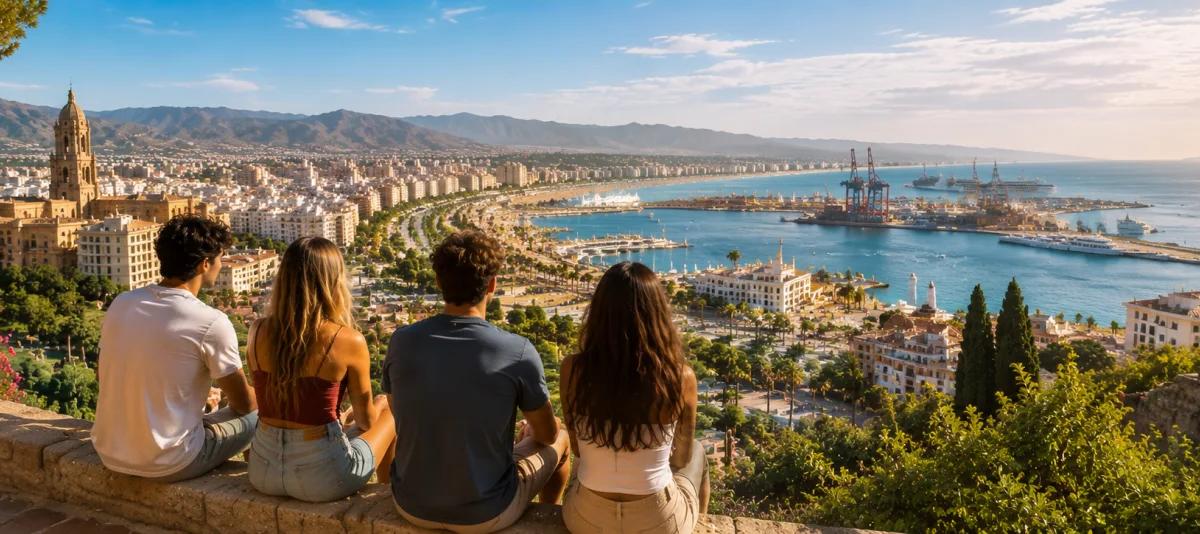
Málaga is a sun-drenched Mediterranean port city on Spain's Costa del Sol, combining beach lifestyle with a booming tech scene and rich cultural heritage. With nearly 600,000 inhabitants, it's Andalucía's second-largest city and one of Europe's fastest-growing urban destinations. The birthplace of Picasso, Málaga offers over 300 days of sunshine per year, a beautifully renovated historic center, world-class museums, and a relaxed yet cosmopolitan atmosphere. For international students, it delivers something rare: genuine Spanish culture, warm weather year-round, beach access, and living costs well below Madrid or Barcelona.
The Universidad de Málaga (UMA), founded in 1972, is the city's main institution with over 36,000 students across 18 faculties. Its main campus in Teatinos is modern and well-connected by metro. UMA is strong in engineering, telecommunications, tourism, and business, and has a growing number of English-taught master's programs. Málaga's tech ecosystem (dubbed "Málaga TechPark" or "Silicon Coast") means students in STEM fields have genuine internship and job prospects with companies like Google, Vodafone, and numerous startups. The city also hosts several private institutions and language schools catering to international students.
Student life
Student life in Málaga blends academics with an enviable outdoor lifestyle. Mornings might start with coffee in Teatinos before classes, afternoons on La Malagueta beach or studying in one of the university's modern libraries, and evenings in the tapas bars of the old town. The international student community is large and active — ESN Málaga organizes regular events, trips, and language exchanges. The city's Mediterranean culture means social life happens outdoors: on terraces, at chiringuitos (beach bars), and in plazas. Unlike smaller university towns, Málaga offers a real city experience with cultural events, concerts, and festivals throughout the year (Feria de Málaga in August is legendary). The student rhythm follows the Spanish pattern: classes until 2 PM, long lunch break, afternoon study or beach time, dinner after 9 PM, and going out after midnight on weekends. The mix of local students, Erasmus visitors, and digital nomads creates a diverse, international atmosphere rare in Spanish cities of this size.
Neighborhoods
Teatinos — The main university district, home to UMA's campus. Modern, purpose-built neighborhood filled with student residences, shared flats, cafés, and affordable supermarkets. Very convenient but somewhat lacking in charm. Rooms: €350–€450/month.
El Ejido — Close to the historic center and well-connected by metro/bus. Popular with students who want to be between campus and nightlife. Mix of old and new buildings with a local neighborhood feel. Rooms: €350–€450/month.
Centro Histórico — The heart of Málaga with stunning architecture, museums, bars, and restaurants at your doorstep. Lively and walkable but noisier and slightly pricier. Best for those who prioritize location over space. Rooms: €450–€600/month.
Ciudad Jardín — A green, residential area southwest of the center with good transport links. Quiet and affordable, popular with students who want more space. Rooms: €320–€420/month.
La Malagueta / Pedregalejo — Beachfront neighborhoods east of the center. Pedregalejo has a laid-back, local vibe with chiringuitos and a bohemian feel. Slightly further from campus but great for quality of life. Rooms: €400–€550/month.
Food & restaurants
Málaga's food scene is exceptional — fresh seafood, Andalusian tapas, and a growing international offering. The menú del día is widely available for €11–€14 in non-tourist areas.
Bar Saylo — Authentic Andalusian restaurant with a daily menu at €10.50 including bread, drink, appetizer, main course, and dessert. Generous portions of home-style cooking.
Café Bar Ortega Centro — Popular for its €10 menú del día with two courses, drink, bread, and dessert. Honest, home-cooked Spanish food.
La Tranca — A beloved tapas institution in the Soho arts district. Generous tapas for €3–€4 with excellent cheap vermouth on tap. Try the empanadas and ensaladilla rusa.
100 Montaditos — Chain but a student staple: mini sandwiches for €1–€2, beers for €1 on promotion days. Perfect for late-night budget eating.
Mercado Atarazanas — The city's stunning 19th-century central market. Fresh produce, seafood, and tapas stalls where you can eat excellent fried fish for €5–€8.
Tutto Pasta — Handmade fresh pasta in the center for €7.50–€11. Quick and filling between classes.
For groceries, Mercadona, Lidl, and Aldi are easily accessible in all student neighborhoods. Budget €35–€50/week for home cooking. The local markets (Mercado de Huelin, Mercado del Carmen) offer fresh fruit, vegetables, and fish at better prices than supermarkets.
Nightlife & entertainment
Málaga's nightlife is concentrated in the Centro Histórico and runs late, even by Spanish standards. Thursday is the main student night; weekends attract a mixed crowd.
Plaza de la Merced / Calle Carretería — The student nightlife epicenter. Dozens of bars and small clubs line these streets. Pre-game here with cheap cocktails (€4–€6) starting around midnight.
Theatro Club — One of Málaga's most popular clubs in the center. Multiple floors, varied music (reggaeton, electronic, pop), and a young crowd. Free entry before 1:30 AM on most nights.
Velvet Club — Student-friendly with affordable drinks and regular themed nights. Fills up after 2 AM.
Liceo Club — Set in a stunning 19th-century mansion with multiple rooms and music styles. A unique clubbing experience.
Sala Gold — More upscale, popular on Saturdays with a slightly older crowd and better sound system.
Pedregalejo beach bars — For a more relaxed evening, the chiringuitos along Pedregalejo beach serve drinks with sea views until late. Perfect for warm evenings.
A typical night out: terrace drinks in the center (10–12 PM), bar crawl around La Merced (12–2 AM), clubs (2–6 AM). Budget €15–€25 for a full night. Dress code is smart casual for clubs; beachwear won't get you in.
Transport
Málaga has a modern and affordable public transport network:
- Metro (2 lines): Connects Teatinos campus to the city center. Single ticket €1.35, or €0.49 per trip with the rechargeable Consorcio transport card and €0.33 per trip with the Consorcio Tarjeta Joven (ages 15–29). Runs 6:30 AM–11 PM.
- EMT Buses (50+ lines): Cover the entire city. Single ticket €1.40, 10-trip card €5 (€0.50/trip), and an unlimited monthly pass for €13.50 for young people (Tarjeta Joven) and UMA students. Night buses (búhos) run on weekends.
- Cercanías (commuter train): Connects Málaga to Fuengirola, Torremolinos, and the airport. Useful for beach day trips.
- City bike (Málagabici): Annual subscription €19/year, first 30 minutes free per trip. Great for commuting along the flat coastal areas.
- Airport: Málaga-Costa del Sol airport (AGP) is just 15 minutes from the center by cercanías train (€1.80). Major hub for Ryanair and EasyJet — cheap flights across Europe.
Youth transport discounts funded by the national government, the Junta de Andalucía and the city have been extended through the end of 2026. The €13.50 unlimited monthly bus pass for young people and UMA students is one of the best deals in the country.
Cost of living
| Item | Monthly Cost (€) |
|------|------------------|
| Room in shared flat | 350–550 |
| Utilities (water, electricity, internet) | 40–70 |
| Groceries | 150–220 |
| Transport (youth bus pass or metro card) | 13–20 |
| Eating out (occasional) | 60–100 |
| Nightlife | 60–100 |
| Phone plan | 10–20 |
| Gym membership | 25–40 |
| Total estimate | 710–1,120 |
Málaga is moderately priced for a Spanish coastal city — cheaper than Barcelona or Madrid but more expensive than inland cities like Salamanca or Granada. The sweet spot for a comfortable student budget is €800–€950/month. Housing costs have risen in recent years due to tourism and remote workers, making early apartment searching essential (start looking in June–July for September moves).
Safety
Málaga is generally safe for students, with most crime being opportunistic petty theft targeting tourists rather than residents. The center and beach areas are well-patrolled and busy until late hours. Areas to exercise normal caution:
- La Palmilla and parts of Los Asperones — rougher neighborhoods far from student areas; no reason to visit.
- Calle Larios and tourist zones — peak pickpocket areas during busy times; keep phones/wallets secure.
- Beach at night — avoid isolated stretches; stick to lit areas.
The student areas (Teatinos, El Ejido, Centro) are safe at all hours. Spain's emergency number is 112. National Police station is on Plaza de la Aduana. Overall, use common sense: don't flash expensive items, watch your drink in clubs, and travel in groups late at night.
Weather & climate
Málaga enjoys one of the best climates in Europe — mild winters and warm summers with abundant sunshine year-round. This is a major draw for international students.
- Winter (December–February): Mild, 8°C to 17°C. Rain is infrequent but when it comes, it's heavy. You'll need a light jacket but rarely anything heavier. Many sunny days even in January.
- Spring (March–May): Warm and pleasant, 12°C to 24°C. Perfect weather for outdoor activities and beach days start in May.
- Summer (June–September): Hot, 20°C to 32°C. July–August can reach 38°C+ but sea breezes moderate coastal temperatures. The beach becomes your second home.
- Autumn (October–November): Warm, 14°C to 22°C. Still beach weather in October. Brief rain episodes but mostly sunny.
Average annual temperature: 23°C. Rainfall: ~500mm/year, concentrated in November–February. Pack sunscreen year-round, light layers for winter, and beachwear for 8+ months of the year.
Universities in Málaga
Other cities in Spain
Next steps
Sources
- boe.es/diario_boe/txt.php?id=BOE-A-2025-25362
- uma.es/sala-de-prensa/noticias/la-uma-inaugur-el-curso-202627-reivindicando-crec
- emtmalaga.es/es/tarifas
- malagahoy.es/malaga/precios-autobus-metro-malaga-2026-prorrogadas-bonificaciones
- idealista.com/news/inmobiliario/vivienda/2026/08/24/910850-la-oferta-de-habitaci
- salamancartvaldia.es/noticia/2026-08-25-cuanto-cuesta-compartir-piso-salamanca-s
- efe.com/economia/2025-11-24/precio-menu-dia/