Loja, Ecuador
Datos rápidos
- País
- Ecuador
- Habitantes
- 203.496
- Idiomas
- Spanish
- Moneda
- USD
- Zona horaria
- ECT (UTC-5)
- Nota media de la guía
- 6,2/10
- Seguridad
- 7/10
Resumen
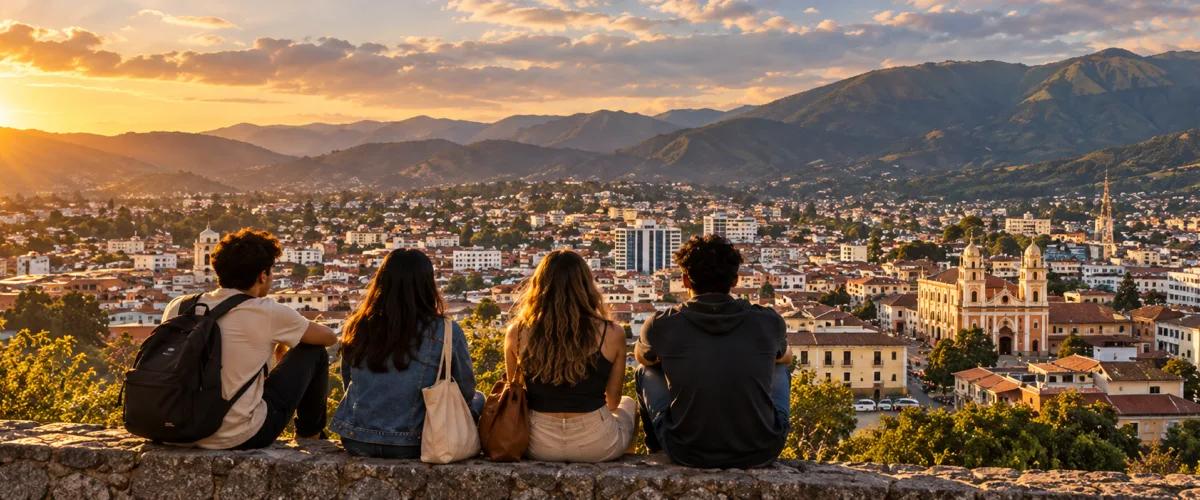
Loja is the capital of Loja Province in southern Ecuador, set in the Valle de Cuxibamba at about 2,060 m. The urban locality had 203,496 residents in the 2022 census; the wider Loja canton reached 250,028. Nicknamed a cultural and musical hub of the south, it sits near Podocarpus National Park and the Vilcabamba valley, with a mild highland climate often described as perpetual spring.
For students, Loja is home to the Universidad Nacional de Loja (UNL). Most teaching is at the Ciudad Universitaria Guillermo Falconí in La Argelia, on the southern side of the city. Classes are in Spanish. Living costs are low compared with Quito, and the city is a practical base for exploring southern Ecuador and the Peru border.
Vida estudiantil
Student life centres on UNL and a mid-sized Andean city rhythm — almuerzos, campus days, and evenings in the historic centre or Puerta de la Ciudad rather than a dense club scene. Loja’s music and arts calendar stands out for a city of this size; weekends often mean Podocarpus trails, Vilcabamba, or trips toward Zamora and the dry forests of the west.
English is rarely needed for daily life. Expect a community-oriented, affordable experience: Spanish immersion, nature close by, and a quieter nightlife than coastal hubs.
Barrios
La Argelia / around UNL (USD 100–150 for a student room or mini-suite): Closest to Ciudad Universitaria Guillermo Falconí; listings near campus often include water, power, and sometimes internet from about USD 100–115.
Centro / historic core (USD 100–160 for a room): Walkable to plazas, markets, and SITU stops; convenient but busier.
Punzara / San Pedro (USD 100–140 for student mini-suites): Residential sectors with student-oriented housing; often quieter than the centre.
Northern and hillside barrios (often cheaper): Useful if you accept a SITU ride to La Argelia.
City-wide, shared student rooms commonly fall around USD 90–180.
Comida y restaurantes
Loja’s kitchen is highland Ecuadorian — soups, hornado, fritada, tamales, and strong coffee culture — with market produce that stays cheap. A full almuerzo at a comedor typically costs about USD 2.50–4. Cooking at home from local markets and supermarket chains is very affordable.
Casual meals out are usually under USD 8; nicer dinners remain modest by European standards. Street snacks and fresh juices are everywhere.
Vida nocturna y ocio
Nightlife is modest: bars and live-music spots in and around the centre, plus university events. This is not a party capital — most evenings are low-key gatherings, plazas, or cultural shows. Daytime entertainment leans toward parks, music festivals, and outdoors: Podocarpus, viewpoints, and weekend trips to Vilcabamba.
For a bigger club scene, plan trips to larger cities rather than expecting Loja to match them.
Transporte
Urban travel uses the Sistema Intermodal de Transporte Urbano (SITU), with multiple lines (including L2 toward La Argelia). In April 2026 the Concejo Cantonal set the adult urban fare at USD 0.36 and the preferential/student fare at USD 0.18. Taxis cover nights and heavier bags.
Long-distance buses connect Loja with Cuenca, Quito, Guayaquil, and the southern border. The city is compact enough that many students walk part of the day and take SITU for campus trips.
Coste de vida
Monthly budget for a student in Loja (USD; Ecuador uses the US dollar):
- Room in a shared house/flat: USD 90–180
- Food & groceries: USD 110–170
- Transport (SITU/taxi): USD 15–30
- Phone & internet: USD 15–25
- Leisure & personal: USD 40–80
- Total: about USD 280–480/month (≈ €255–€440)
Public-university tuition rules for Ecuadorians keep UNL relatively accessible; international fees vary by programme. Overall, Loja is markedly cheaper than Quito for housing and daily costs.
Seguridad
Loja is generally calmer than Ecuador’s largest coastal cities. Petty theft can occur in crowded markets, terminals, and on buses — use normal precautions with phones and bags, prefer registered taxis at night, and stay aware in poorly lit areas. The U.S. travel advisory for Ecuador emphasizes increased caution nationwide due to crime and related risks; Loja province is not singled out in the highest-risk coastal/border zones listed for Manabí or northern Esmeraldas. Emergency number: 911 (ECU 911).
Clima
At about 2,060 m, Loja has a temperate Andean highland climate with an average near 16–17°C. Days are often mild (roughly 13–21°C); nights are cooler. February–May tends to be wetter; June–August can feel cooler and windier; September–December is often sunnier with occasional showers. Pack layers and a light rain jacket — this is spring-like highland weather, not tropical heat.