Universidad Técnica de Cotopaxi
Quick facts
- City
- Latacunga
- Country
- Ecuador
- Type
- Public
- Founded
- 1995
- Students
- 10,847
- National ranking
- #21
- Tuition (local students)
- US$0
- Tuition (international)
- US$0
- Guide score
- 6.1/10
Official website: www.utc.edu.ec
Overview
The Universidad Técnica de Cotopaxi (UTC) began in 1992 as an extension of the Universidad Técnica del Norte and became an autonomous public university on 24 January 1995. Its website reports 10,847 students plus 2,080 in the levelling course; press coverage of the October 2025-February 2026 cycle cited about 10,000, with 1,880 first-year students. It offers 37 undergraduate programmes and 24 masters. The UTC is CACES-accredited (166-SE-33-CACES-2020, extended by 216-SO-29-CACES-2025) and ranks 21st in Ecuador and 4,559th worldwide in Webometrics July 2026; Scimago lists it around 27th nationally.
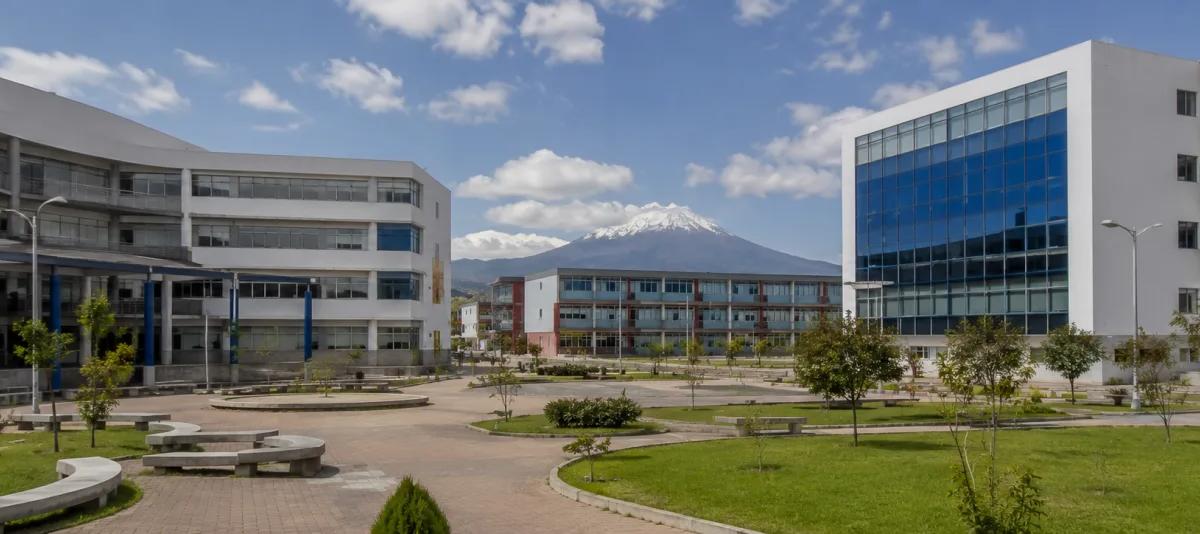
The main campus is in the El Ejido / San Felipe area of Latacunga, capital of Cotopaxi province. Latacunga is a compact colonial city at about 2,750 m, roughly 1.5-2 hours south of Quito by bus, with cool, windy, dry weather and the snow-capped Cotopaxi volcano on the horizon. It is known for the Mama Negra festival and for chugchucaras. It is a calm, working city, though volcanic-risk drills are part of local life.
Academic programs
Four faculties: Agricultural Sciences and Natural Resources (CAREN), at the Salache experimental campus about 7.5 km from the city (Agronomy, Veterinary Medicine, Environmental Engineering, Agroindustry); Administrative and Economic Sciences (Business Administration, Accounting, Tourism); Engineering and Applied Sciences (Electrical, Industrial, Software and related engineering); and Social Sciences, Arts and Education. There are extensions in Pujilí (education degrees) and La Maná (about 1,300 students, in the subtropical lowlands), and a new Salcedo campus opened in October 2025 with Social Work, Communication, Interactive Design, Digital Animation and Social Psychology.
Campus life
Life in Latacunga is quiet and affordable; students socialise around the historic centre and head to Quito or the Quilotoa crater lake at weekends. The city campus is walkable from most rental areas; Salache is served by university and local buses.
Exchange programs
A 2024 mobility instructivo governs outbound and inbound stays and allows mobility grants of up to 10 basic unified salaries. Agreements include the Universidad Cooperativa de Colombia, the Universidad Nacional Mayor de San Marcos (Peru), the Universidad de Granma (Cuba) and the Kibbutz Program Center (Israel). Numbers of inbound foreign students were not published.
Admissions
The UTC follows the Sierra calendar, with periods of April-August and October-February. After the national Registro Nacional, it ran its own process for the second 2026 period: registration 29 June-12 July at admision.utc.edu.ec and an exam of 90 questions in 90 minutes between 22 and 30 July, followed by application and allocation rounds. Study is free under gratuidad.
Foreigners need regular migration status (usually the visa de residencia temporal de estudiante, USD 50 + USD 80, apostilled criminal record, proof of means, admission letter) and a MINEDEC-homologated school diploma.
Student housing
No residences. Latacunga rents are low: rooms with utilities from about USD 115/month (≈€100), for example in Locoa, and furnished mini-suites around USD 180 (≈€155).
Career services
Information pending — contributions welcome. Internships and community-service hours are compulsory, but no employability data was found.
Academic programs
- Agronomy
- Veterinary Medicine
- Environmental Engineering
- Agroindustry
- Business Administration
- Accounting
- Tourism
- Electrical Engineering
- Industrial Engineering
- Software
- Basic Education
- Early Childhood Education
- Social Work
- Communication
- Social Psychology
- Digital Animation
- Masters programmes
Application deadlines
- fall: Second 2026 period (October to February) - Registro Nacional in June, UTC registration 29 June to 12 July, exam 22-30 July, then application rounds
- spring: First period (April to August) - Information pending
Exchange
Student and staff mobility under a 2024 mobility instructivo with scholarships of up to 10 basic salaries, partners incl. Universidad Cooperativa de Colombia and UNMSM (Peru). Listed in the Parlamento Andino / Uniwords network. Teaching in Spanish.
Next steps
Sources
- utc.edu.ec/UTC/La-Universidad/Historia
- lagaceta.com.ec/utc-este-lunes-inicia-un-nuevo-ciclo-academico-con-10-000-estudi
- gaceta.utc.edu.ec/Documentos/20251029-Resolucion%20PEDI%202026-2030.pdf
- gaceta.utc.edu.ec/consulta/vista?ID_ARCHIVO=2090
- precavidos.com/cronogramas/institucion/universidad-tecnica-de-cotopaxi-utc/
- ucc.edu.co/actualidad-ucc/noticias/Paginas/universidad-firma-convenio-con-la-uni
- latacunga.doplim.ec/arriendo-habitaciones-y-mini-suite-amobladas-en-sitio-id-672
- webometrics.org/ecuador
- scimagoir.com/rankevolution.php?country=ECU§or=all
- ug.edu.ec/wp-content/uploads/PLANIFICACION/ACREDITACION-INSTITUCIONAL/Resoluci%C
- gob.ec/mremh/tramites/concesion-visa-residencia-temporal-estudiante